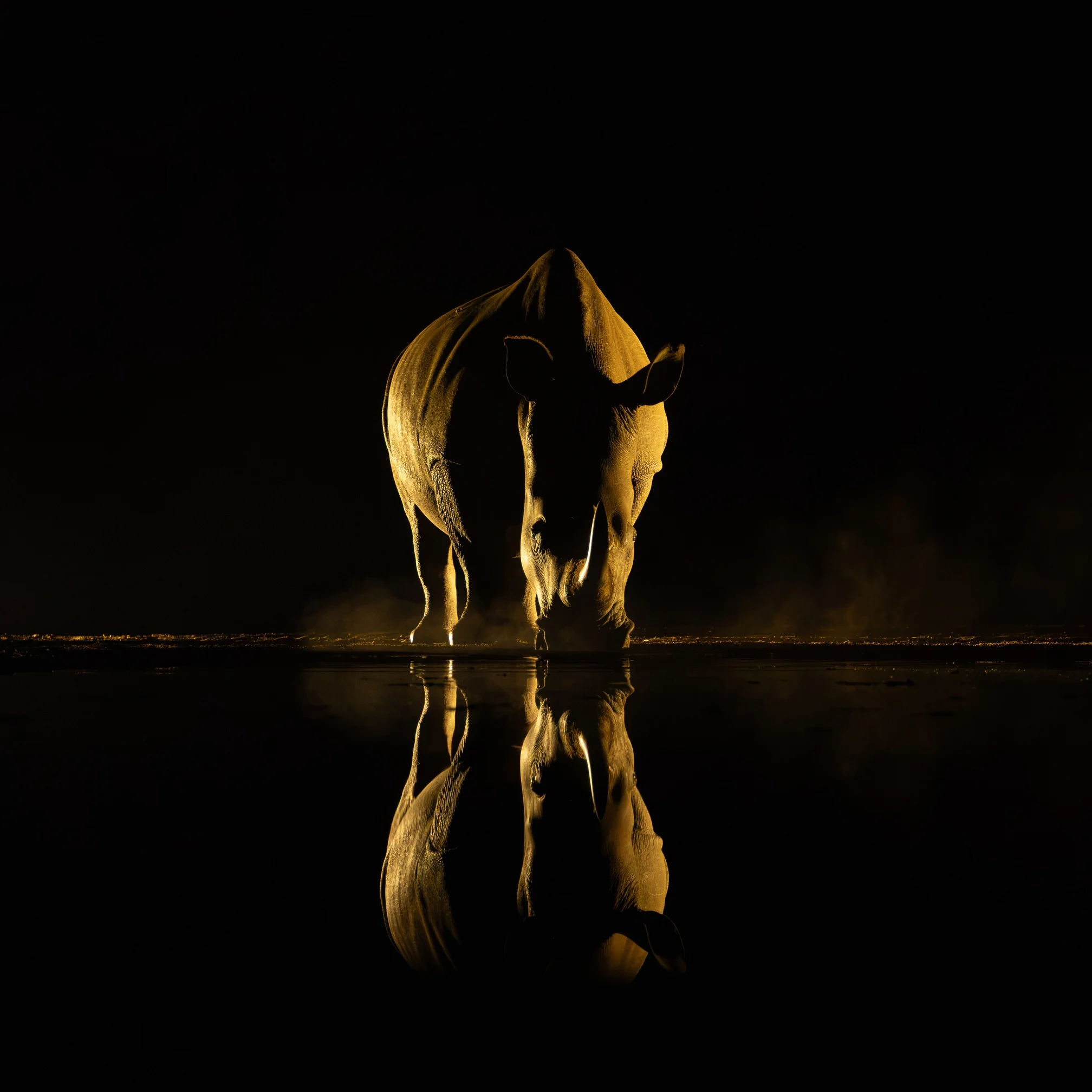
Some journeys are measured in kilometres. Others in moments.
My recent journey through South Africa brought together two very different sides of wildlife photography: the intimate, carefully crafted photographic experience of Zimanga Game Reserve and the vast, unpredictable wilderness of Kruger National Park.
At Zimanga, the days began early, often in the quiet darkness before sunrise. From specially designed hides, I would settle in and wait, sometimes for hours, with nothing but the sounds of the bush for company. The hides offered an extraordinary intimacy — often putting me at eye level with animals only a few metres away, completely unaware of my presence.
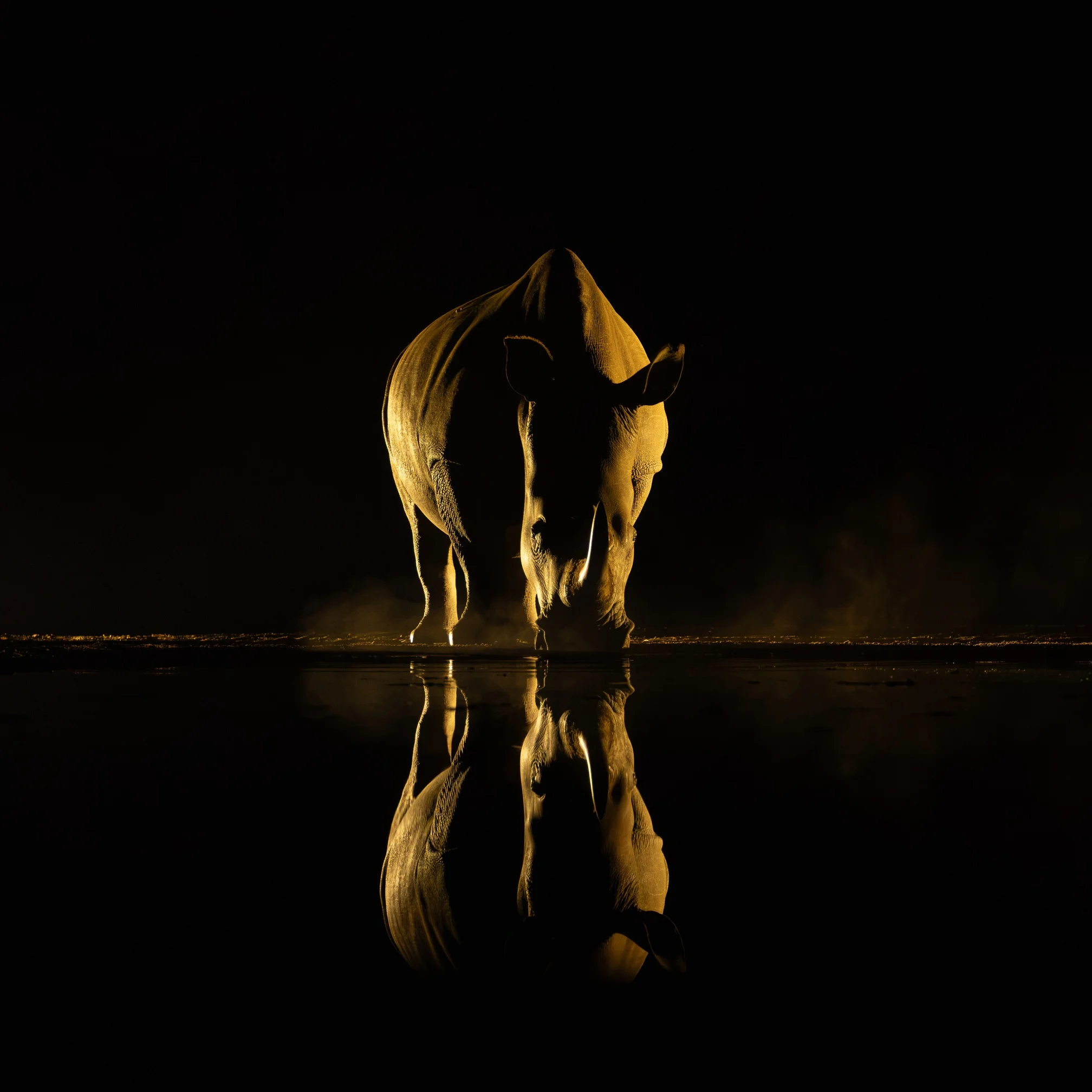
Photography there was as much about waiting as it was about taking pictures. Watching the light slowly change, following every movement and trying to anticipate what might happen next. A bird landing in exactly the right place, an animal turning towards the light, a brief interaction between two animals — small moments that could disappear almost as quickly as they arrived.
It was a lesson in patience, but also in observation. The longer I watched, the more I began to see.
From Zimanga, I continued south to Kruger National Park, travelling through Punda Maria, Shingwedzi, Olifants, Satara and finally Lower Sabie. The experience could hardly have been more different.
Here, the landscape stretched out in every direction. Long stretches of road could pass without seeing much at all. The light would change, the temperature would rise, and the bush would seem to settle into silence. And then, suddenly, everything could change.
A shape beneath a tree. A flicker of movement in the grass. A small group of cars gathered on the roadside. You slow down, raise the camera and begin searching the scene, never quite knowing what you are going to find.
Some encounters were fleeting. Others allowed time to simply sit and watch. And sometimes the photograph was almost secondary — a moment of behaviour, light or atmosphere that was worth experiencing even if the conditions were far from perfect.
That unpredictability is part of what I love about photographing in Africa. You can plan the route, choose the locations and be out on the road at first light, but nature still decides what happens. The best moments are often the ones you could not have anticipated.
Looking back, Zimanga and Kruger feel almost like two different photographic disciplines. Zimanga taught me to slow down, to study the scene and wait for the photograph to reveal itself. Kruger reminded me to keep looking, even when nothing seems to be happening — because the next moment may be completely different.
For me, that is the magic of Africa. Not just the animals, but the silence before something happens, the anticipation of what might appear around the next corner, and those brief moments when the light, the landscape and the wildlife somehow come together.
Zimanga taught me to wait for the photograph. Kruger reminded me that sometimes the best photographs are the ones you could never have planned.