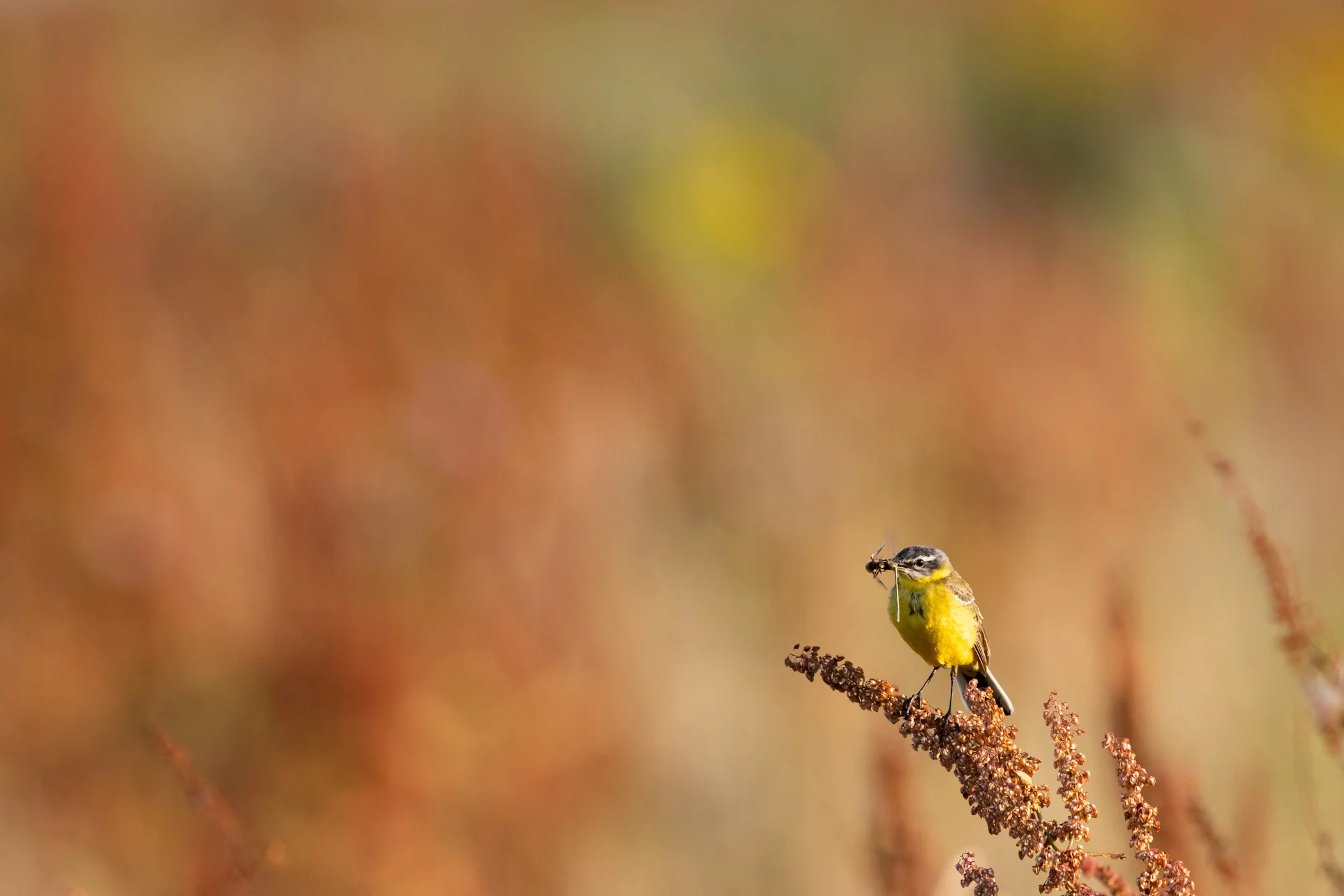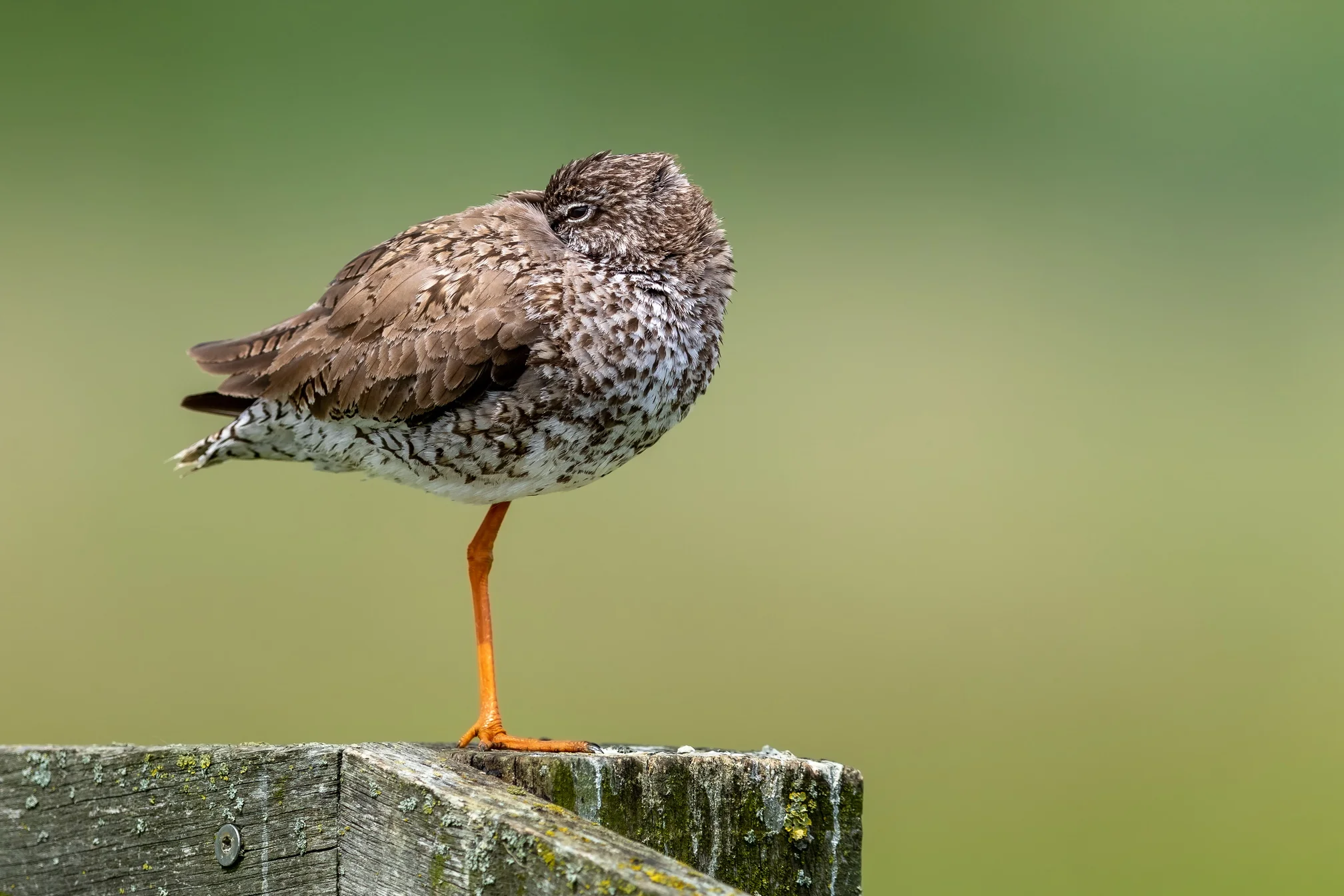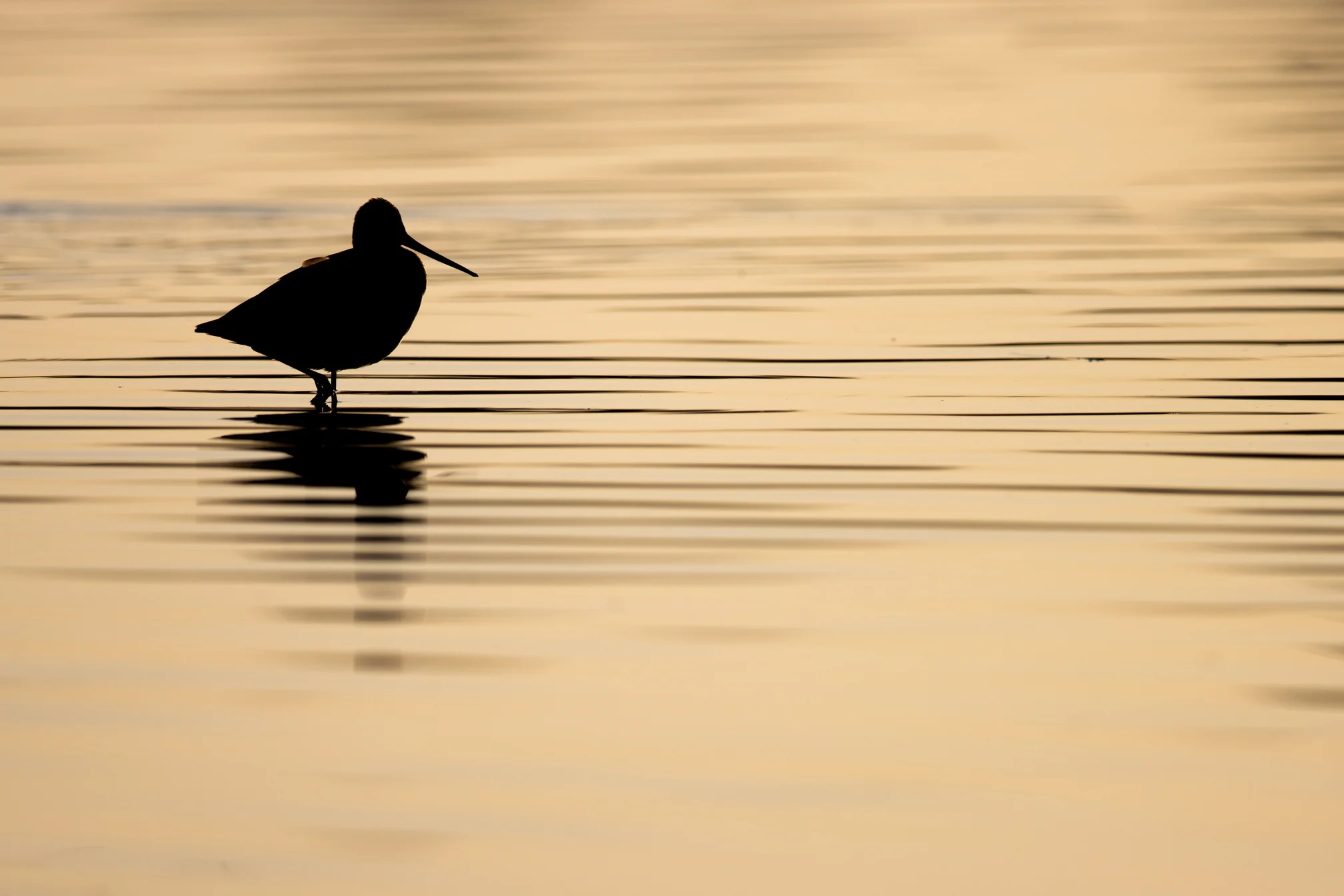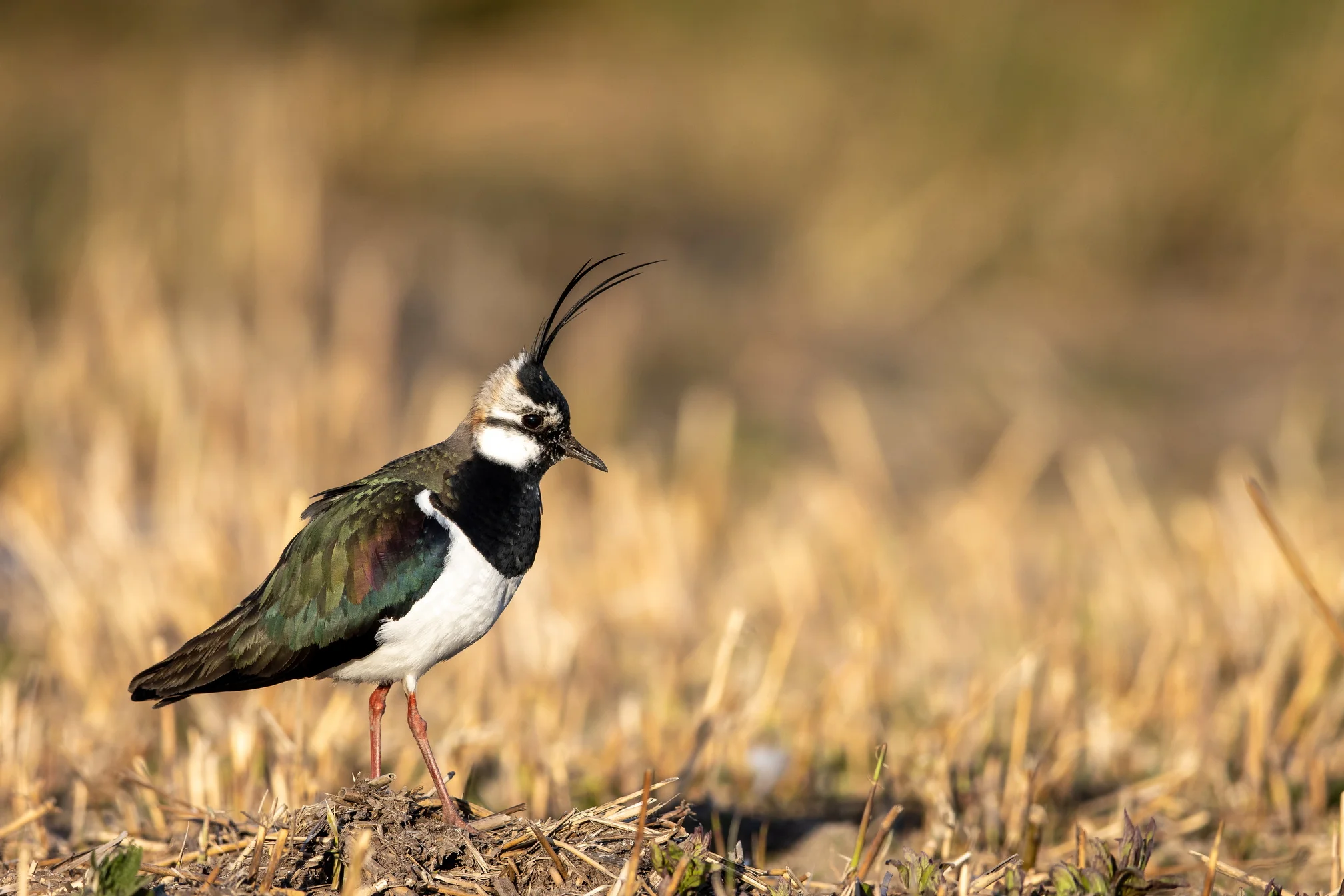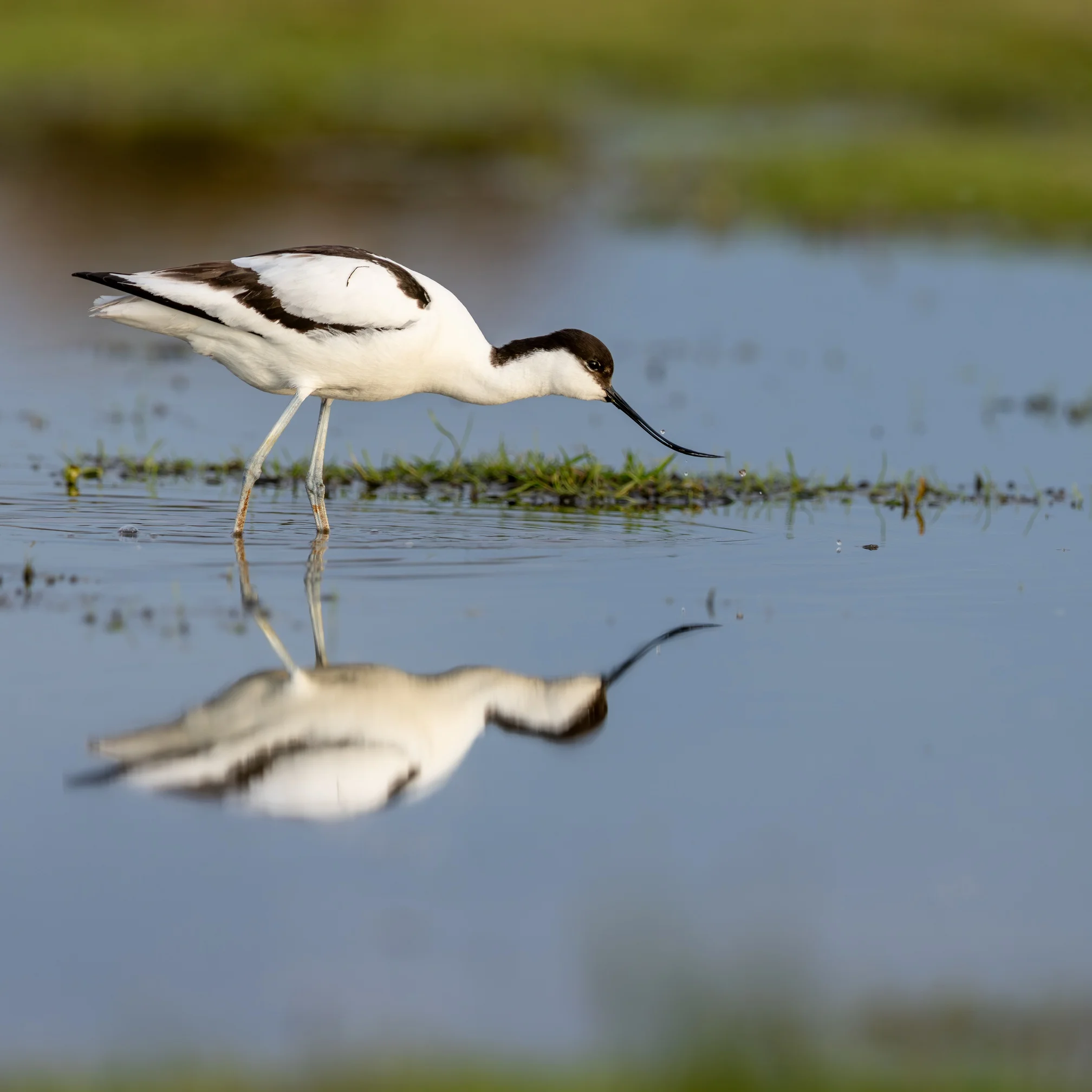
I live in the west of the Netherlands, in a landscape shaped by water. Much of the land around me lies below sea level, divided by dikes, canals and drainage ditches, with broad polders stretching towards the horizon. At first glance, it can seem almost too familiar to be wild.
But spend a morning here with a camera and the landscape changes.
A landscape in motion
The wetlands, lakes and meadows of the Dutch lowlands are an important habitat for birds travelling between northern Europe and their wintering grounds further south. Throughout the year, the landscape is constantly changing. Spring brings returning waders and breeding birds, autumn brings migration, and in winter the open water becomes a refuge for thousands of waterbirds.
One of my favourite areas to explore is around Zoetermeer, where the city meets an unexpectedly rich landscape of wetlands and open polder. The Nieuwe Driemanspolder, the Groenzoom and the Nieuwe Droogmaking offer a surprising variety of habitats within a relatively small area.
For a photographer, these places reward patience. A wader standing alone on a muddy edge can become a minimalist portrait, while a flock crossing the water can turn into an abstract pattern. Early morning mist can transform the familiar Dutch polder into layers of soft shapes and silhouettes.
But perhaps the greatest value of these places is that I can keep coming back.
When travelling for wildlife, I may have only a few opportunities to visit a particular location. Some places are thousands of kilometres away, places I may be lucky enough to see only once or twice in my lifetime. A local patch is completely different. I can visit whenever I want, in every season and in all kinds of weather.
Over time, you start to know a place. You learn where the birds feed, when they arrive, how the water changes and how the light moves across the landscape. That familiarity makes it possible to notice the small things — and sometimes to be there when something extraordinary happens.
Photography close to home has taught me that wildlife doesn't always require a distant wilderness. Sometimes it is right on the edge of the city, hidden among the reeds and wetlands of a landscape we pass every day.
You just have to slow down, return often, and learn to see it.